Character or Credit? Leadership in an age of self

Sunflower seller on roadside selling sunflowers to customer, symbolizing grassroots enterprise, community connection, and warmth.

In a culture that rewards self-promotion over self-mastery, what does it actually take to lead meaningful change? Drawing on the work of David Brooks, Angela Duckworth, Jonathan Haidt and Robert Greenleaf, this article explores why character is the foundation of effective leadership in healthcare and community change work, and why humility may be the most important capability that change leaders still need to develop.

Head, Heart, Hip Pocket: How to Pitch Change so it Actually Lands

Team rafting together on river rapids, symbolizing teamwork, trust, and collective effort in overcoming challenges.

A great idea is not enough. Winning funding, permission and momentum requires a pitch that speaks to the rational, emotional and financial realities of your audience — all three, in the right order. The Head, Heart, Hip Pocket framework is a battle-tested structure for change-makers in healthcare and beyond, grounded in decades of co-design practice and the best of behavioural science.

When Co-Design Becomes a PR Exercise: Learning from Australia’s Live Export Debacle

Co-Design vs Performative Consultation Co-design has become the darling of public policy. Governments and organisations everywhere trumpet their commitment to collaborative decision-making, promising to work alongside affected communities to shape policies that impact them. But what happens when co-design is deployed not as a genuine collaborative process, but as window dressing for decisions already made? … Read more

The Vanishing Village: What we lost when we stopped joining things — and why co-design may be how we get it back

Village people engaging and enjoying outside space and sunshine, reflecting community spirit, inclusion, and place-based connection.

Social capital has been quietly collapsing across Australia for fifty years. Volunteering is at an all-time low, loneliness now carries health risks equivalent to smoking fifteen cigarettes a day, and trust in government continues to fall. Drawing on research from Robert Putnam, Andrew Leigh, Hugh Mackay, and Julianne Holt-Lunstad, this article examines what we have lost, why it matters for the health and wellbeing of Australian communities, and why genuine co-design may be the most practical path toward rebuilding the social fabric we have allowed to unravel.

Gender Equity, Kindness, and the Screen Between Us

Two people sitting on bench outside on phone screens, illustrating digital connection and modern communication in community spaces.

Half a century of equity reform has produced real gains — and real resistance. From the gender pay gap to the rise of the manosphere, this article examines where Australia stands on gender equality, what the evidence tells us about coercive control and online radicalisation, and why structured co-design at community level may be one of our most practical tools for rebuilding common ground.

Why Co-Design Delivers Better Results

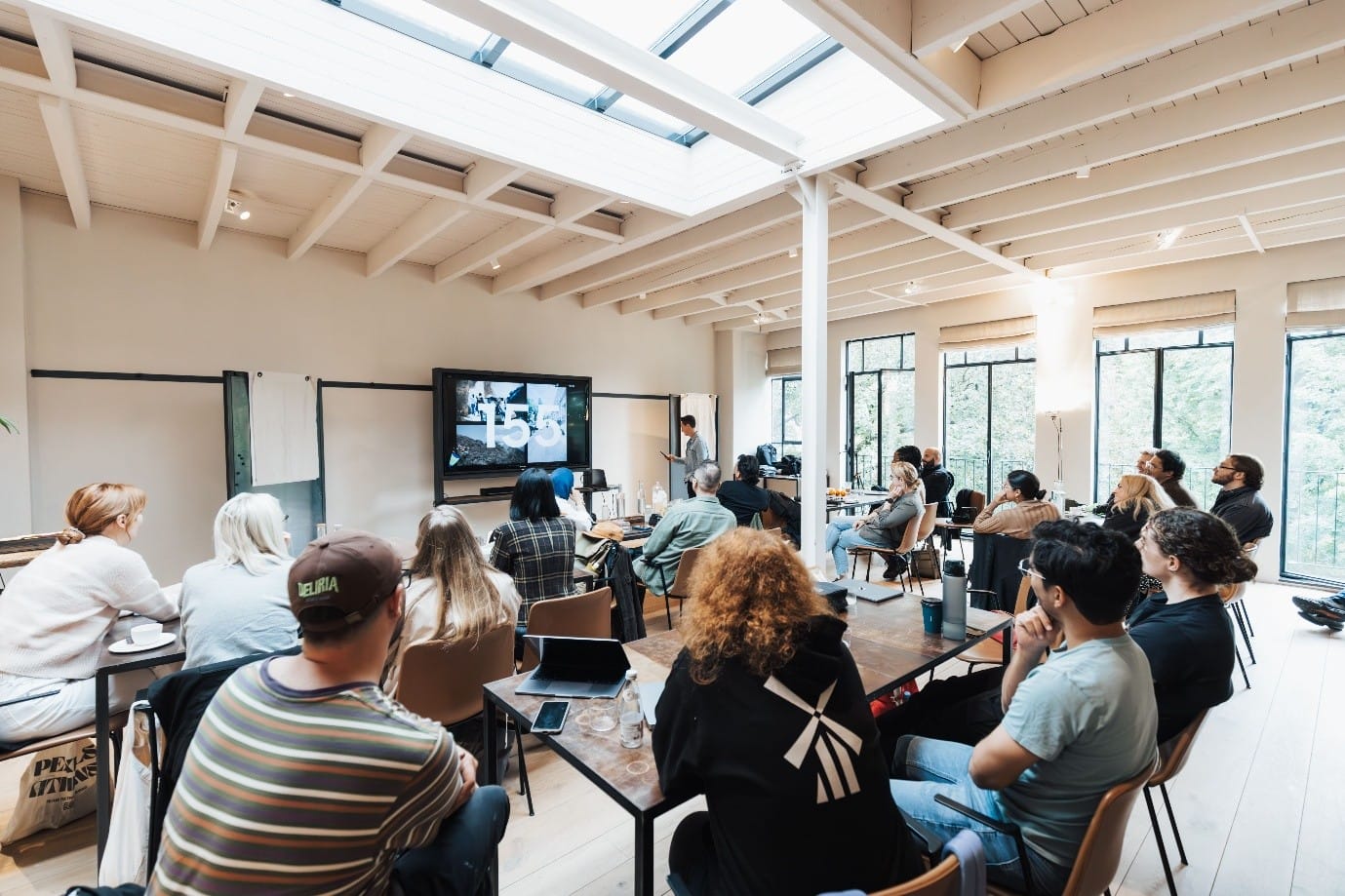
Team collaborating under facilitator guidance, demonstrating co-design, shared leadership, and teamwork.

For generations human history has been littered with evidence that people want to be included in decisions which affect them.  In 1789, the French Revolution echoed to calls for liberty, equality and fraternity; one of the most memorable rallying cries of any movement.  Liberty spoke to the need to be free of rules imposed by … Read more