HARNESS THE COLLECTIVE
What is Co-Design?
Co-design is a process of co-creating new designs and solutions through harnessing the collective creativity and knowledge of stakeholders and users – Sanders and Stappers, 2008
Co-Design is about formulating and delivering community services and interventions in a partnership – an equal and reciprocal relationship – between funders, service providers and the people using services (and often their carers, families and others in their community). Working together in this way is a better way to get things done and to really meet people’s needs. – WACOSS
Co-design changes the way we think, behave and work together, as well as the steps and actions we take throughout the process of engagement and design. – ACI NSW Health
That means we need new tools to enable our people and organisations to more effectively engage with others. If we are informing others of our intent, that can be a significant process which needs a plan. Co-design is far beyond simply providing information. It is even more complex than consultation. This typically involves stakeholders providing advice about how to tweak a plan, product or service. Co-design involves co-creating ideas using democratic principles where power and information are shared. The result can lead to co-production where various organisations pool resources and assets to jointly delivery the required solution. Our 4D Framework will ensure that your process of co-design brings the relevant players together and harnesses their ideas and resources to build better services, solutions and products which meet real rather than assumed needs.


That means we need new tools to enable our people and organisations to more effectively engage with others. If we are informing others of our intent, that can be a significant process which needs a plan. Co-design is far beyond simply providing information. It is even more complex than consultation. This typically involves stakeholders providing advice about how to tweak a plan, product or service. Co-design involves co-creating ideas using democratic principles where power and information are shared. The result can lead to co-production where various organisations pool resources and assets to jointly delivery the required solution. Our 4D Framework will ensure that your process of co-design brings the relevant players together and harnesses their ideas and resources to build better services, solutions and products which meet real rather than assumed needs.
Informing

Consultation
Co-Creation
Co-Production
Co-Design


ENGAGING SUCCESS
Introduction to Co-Design
Co-design is about looking forward. Through participatory approaches it brings stakeholders together to look at what is needed now and into the future. Engagement and empowerment of participants in the process is critical to the success of the co-design approach. Unless there is mutual input and trust, stakeholders will not take the time to generate and implement better solutions.
The Griffith University MATE model, helps to assess the level of engagement of stakeholders to your project.
When preparing to apply co-design within your setting there are a few frameworks that can help to set you up for success. We have included three to consider in planning for implementing co-design:
FRAMEWORK FOR GUIDANCE
Are you ready for Co-Design?
The co-design maturity framework helps you understand where you are at as an organisation regarding applying meaningful co-design. More time might be required to develop the culture, systems and engagement necessary to do co-design if your organisation is used to merely informing your audiences of your intent.
Emma Blomkamp’s co-design maturity model articulates the 5 stages of co-design maturity that can occur within an organisation.
Credit: Emma Blomkamp 2022.




BEST SOLUTIONS EMERGE
Principles for GOOD Co-Design
When preparing to apply co-design these principles can be used to guide the practice and approaches to ensure the best outcome is achieved. This will help to ensure participants feel heard and the best solutions emerge.
1. Equal partnership
2. Respect and Trust
3. Data Driven
4. Comprehensive
5. On-going
6. Clarity of Purpose
7. Inclusiveness
READY FOR CHANGE?
Activate People’s Agency
In order to sustain the change needed through new solutions we must also understand the adaptive side of change. This harnesses the power of people and their motivations to advance and sustain improvement. The IHI framework helps to better understand and respond to these needs, ensuring the sustainability of solutions.
1. Unleash intrinsic motivation
2. Co.Design people driven change
3. Co-produce in authentic relationships
4. Distribute power
5. Adapt in action


Co.Design4All
Our 4D Framework
Co.Design4All is a comprehensive approach to developing solutions tailored to your clients, community and patients. It leverages the resources available locally to deliver better solutions.

The approach is made up of four key components:
1. Overarching Framework
The four core phases of the toolkit include: Discover, Design, Decide, Debrief.
2. Iterative process
The arrows indicate the iterative process that needs to take place within each phase of the framework. New information should always be used to review what is known and what needs to be known to create a better solution. Taking the time to unearth all that is needed to dimension a problem will be gold when it comes to analysis of options and planning for implementation.
3. Key stages
The stages of activity under each phase of the framework unpack the actions necessary to do co-design. Co-design is not linear. However, the outputs from each stage will enable progress through the model.
4. Reflect and Plan
Working on complex problems with lots of people requires reflection. Is the plan needing more attention before you move to the next phase? Are you confident you know everything you need to know and stakeholders share that knowledge? If not, take the time now to bring them closer to the action. This will be supported by key questions related to each reflect and plan point. Your answers help keep sponsors on board with the time being taken for the project. Better planning improves the chances of success.
Our framework guides you through tools, specifically created for each of the 4 phases across the 14 stages of our CD4A model.
There are over 100 tools currently available so that you have choice as you need to plan the approach to different projects. More tools are being added all the time as the literature and practice related to co-design improves. There are nearly 100 tools currently available and we will be adding more as we rollout the model.
Co.Design4All
Our 4D Model

The overarching framework of the toolkit includes 4 key phases:
Our model guides you through tools, specifically created for each of the 4 phase across the 14 stages of our CD4A model.
There are over 100 tools currently available and we will be adding more as we rollout the model.
DISCOVER
DISCOVER is the phase of the framework used to explore the key issues, discuss the current state with stakeholders and research potential solutions
5
Stages

32
Tools
DESIGN
DESIGN is the phase of the framework which involves the recruitment of participants to work on the design of solutions and plan the core activity of co-design
3
Stages

34
Tools
DECIDE
DECIDE is the phase that involves analysing the co-design outputs and deciding on the best solutions
2
Stages

21
Tools
DEBRIEF
DEBRIEF phase includes building an evaluation plan, reflecting on practice and planning the exit process
4
Stages

21
Tools
TRANSITION GATES
Gates to Reflect & Plan
The reflect and plan component of the framework has been designed to provide a point to review what has been achieved, then based on this review process, plan for the next stage of implementing the toolkit.
There are a set of outcomes or questions that should be considered at each Gate as your initiative transitions from one Phase to the next.
Reflect
on Outcomes from the current phase
Plan
asking the right questions to set your project up for the next phase

Reflect & Plan
Reflect & Plan
Reflect & Plan
CO.DESIGN4ALL
Already a Member?
Access the CD4A framework and have all of the tools and guidance you will need at your fingertips.
Member Login

TAKE ACTION TODAY
Become a Member of Co.Design4All
Co.Design4All is a growing community of practitioners, project leads and stakeholders from across many sectors who all deploy a similar model of co-design. Whether you are new to group facilitation, a novice at managing engagement or a seasoned change project leader, you will find amongst our Members and Founders people facing the same challenges and opportunities as you. Benefit from their decades of expertise.


TESTIMONIALS
What our clients have to say


Participant in the Design phase
McGrath ‘Model of Care’ project
Thought provoking process
I enjoyed the thought-provoking process and the opportunity to hear and learn many different aspects and experiences from many haem-oncological practitioners.
Christine La Rose, Patient Advocate
McGrath ‘Model of Care’ project
A real voice in shaping care
Being part of the Cancer Experience Advisory Group gave me a real voice in shaping care. I felt that my lived experience with a less common cancer like bladder cancer was truly heard and valued as input into the new model of care.
Ann Maree Liddy
CEO, Checkup | Chair, Health Consumers Queensland
Co.Design4All – A timely and valuable platform
The Co.Design4All website is a timely and valuable platform that has value not only for the health industry, but the broader care economy. The high-quality resources, tools and case studies are reflective of Tracey and Nat’s deep understanding of co-design and their years of experience in engaging with communities. By fostering co-design approaches, Co.Design4All has enormous potential to enhance service delivery, promote innovation and strengthen trust – essential building blocks for more equitable and inclusive healthcare.
Ken Griffin
CEO, Australian Primary Health Care Nurses Association (APNA)
Co.Design4All – Can’t Speak Highly Enough
Considered, insightful and engaging facilitation led to a structured, effective and energised approach to the challenges we faced. I can’t speak highly enough of the Co.Design4All approach!
Kerry Patford
Chief Nurse, McGrath Foundation
Co.Design4All encourages reciprocity in sharing experiences
As a practitioner for many years, I have learned so much through working with Natasha Doherty on a co-design project. The Ethicol team really know how to engage with people from all aspects of the sector in a way that encourages reciprocity in sharing experiences and learnings and refining this information in a meaningful and practical way. I feel incredibly fortunate to be able to be involved in the Co.Design4All way of working.
Anna Hebron
Managing Director and governance expert
Championing Patient-Centred Approaches
Tracey Johnson is one of those special people who light up a room with her energy and passion. She inspires those around her by her drive to make a real, positive difference. What’s so incredible about Tracey is how deeply she lives her values – always championing patient-centred approaches and empowering communities. She’s a true innovator and has a treasure trove of stories from her decades of experience leading change and reform across all kinds of sectors. Honestly, she can tackle any challenge you throw at her – whether it’s big-picture strategy or hands-on problem-solving, Tracey moves effortlessly between both. She has an amazing ability to bring people on the journey – when she speaks, people believe that better futures are possible and with Tracey leading the way, they absolutely are!
Tracey Silvester
Executive Officer
Engaging, Successful, Credible
I have been witness to Tracey Johnson’s knowledge of the health care system and her exceptional group facilitation skills. She is a master at understanding the complexities in which health services operate; an understanding that is reflected in the quality of the co-design tools and resources that have been developed. Her ability to clearly communicate complex concepts and engage diverse audiences ensures the success and credibility of her work. I am confident that these attributes and Tracey’s commitment to making a difference will make the website a valuable resource for all users.
McGrath ‘Model of Care’ project
Project Participant A
Best Co-design Process
This has been the best co-design process I have even participated in……ACTUAL co-design.
Meredith Cummins
CEO Neuroendocrine Cancer Australia
Wonderful Co-design Workshop
Wonderful to be involved in this co-design workshop to ensure the model of care for all cancers benefits all cancers.
McGrath ‘Model of Care’ project
Project Participant B
Fantastic Co-design Workshop
Fantastic to have been part of the codesign workshop with McGrath Foundation and Natasha Doherty.
PLACE BASED CO-DESIGN
Who is Co.Design4All for?
Co-design is a way of working which applies as easily to health and social care delivery as to regional development or scoping major projects in the mining and infrastructure sectors.
Here are some examples of initiatives that have adopted Co.Design4All framework:
Health
- Creating local health pathways.
- Designing outpatient services in community setting.
- Creating integrated care solutions.
- Designing continuums of health and social care at life milestones like the first 2000 days.
Regional Development
- Creating regional economic development plans
- Forming industry clusters
- Supply chain projects
- Regional tourism initiatives
Property
- Developing masterplans for new communities.
- Community engagement for major developments
- Stakeholder input into mixed use developments
- Community engagement for change of use applications for heritage sites
- Gaining input into town plans.
Major Projects
- Completing regional economic planning around major investments in energy, manufacturing and ore processing facilities
- Engaging in community consultation around major infrastructure like new highways, stadiums, educational facilities and hospitals
- Ensuring legacy value from facilities associated with major events like staging the Olympics or international sporting events.
So, no matter your background, everyone trying to produce novel solutions which need to be endorsed by or involve others needs to be familiar with the core elements of co-design.
OUR PARTNERS
Who is using CO.DESIGN4ALL


TAKE ACTION TODAY
Become a Member Today
Lorem ipsum dolor sit amet consectetur. Viverra nulla lectus justo cras mauris viverra. Risus facilisis nam id viverra dui elit in sodales in. Scelerisque iaculis suspendisse diam gravida. Aliquam tincidunt

CO-DESIGN IN ACTION
Healthcare Case Study
Hospitals are finding that patients want choice about where to attend out patient appointments. For those with long-term conditions like kidney disease or hepatitis, the burden of attending a hospital campus each quarter for life is difficult. Time away from work, carparking costs and time spent waiting at the clinic are not acceptable in the modern age.
Through combining access to the expertise of Physicians and specialist Nurse Practitioners with the doctors, nurses and allied health in primary care, new models of care are being developed around the world which mean patients can attend care closer to home. The integrated care models might involve using telehealth to bring physician input into patient consults being managed by their usual general practitioner. It could mean holding monthly clinics with a combination of hospital and general practice staff working together to deliver better care.
The emergent case studies around such integrated models of care are fairly consistently showing higher patient attendance and satisfaction and slower progression to end stage disease with lower costs to the health system. Designing such models of care means listening to patients and their families and carers about the supports they need to stay well. It involves working with clinicians to identify who can perform which task so that everyone is working to their top of scope of practice and in a manner which will be remunerated. It necessitates the creation of new systems and delivery of training to those involved and the patients making use of the services.
Evaluation models to ensure the change to a new model of care is safe need to be designed within the structures of siloed datasets and patient privacy regulations related to patient data. The infrastructure in community facilities needs to be able to accommodate different workflows and data exchange. This is all complex. It means overcoming fiefdoms, sharing funds and changing power balances.
Co-design is a consistent thread in the creation of all such projects. That is why in every country health innovation agencies are recommending co-design.

questions and answers
FAQ’s
Co-design has been explored in many sectors for about 50 years. Various co-design models have been documented. Many just focus on the way to set up meetings and consultations to ensure people feel comfortable sharing. The Co.Design4All Framework is more extensive. It asks for the collection of data and comparison of opinion from key stakeholders to a problem about whether a problem even exists and how they define it. Once the key funders and authorities are engaged, it then moves into planning of which users and community members need to be involved. The lens for doing this is around “place”. It is at a community level or region that certain assets can be found or funds and strengths leveraged. So rather than dealing at a macro level, this approach calls for working with meso system level stakeholders and those users at the micro level. This combination gets more localised designs. The 4D Framework spends time looking at evaluation and project handover. Ensuring implementation is well supported improves the likely success. Finally, and uniquely, the model asks those involved to reflect on their own performance along the way, provides tools to grow professional competence and focusses on the communication and conflict skills involved in managing diverse groups of people.
Co-design takes time. The exact amount of time will vary based on the situation and stakeholders. If a problem has been around and challenging for a while, more data might exist and organisations might be more willing to share and engage. That means the time in discovery might be shorter. The decide phase might be truncated if the options available are small and there is an obvious best choice which comes with sufficient funding. However, none of the phases is optional. All need to be undertaken and those involved satisfied that the project is ready to move on based on reflections at the three gates in the model.
Facilitators often come with skills in making people feel comfortable in group settings, holding and focussing attention during workshops, documenting agreements and overcoming conflict. They may have no sector specific knowledge but great process skills. The 4D Framework attempts to put the techniques and knowledge of professional facilitators into the hands of industry experts from a wide variety of fields. In the process, it can reduce the costs involved in getting groups engaged in new ways of working together. It also means that you can start using co-design even before you have official permission to do a co-design exercise. For anyone involved in creating coalitions supportive of change, co-design and the tools involved are a great resource which will speed up projects and reduce the stress involved.
Every problem arises in a context. That involves the people, institutions and histories of that area. Those same people, organisations and stories can be used to develop and implement better solutions. Taking a localised and strengths based approach is more likely to ensure that designs meet the needs of an area and resources outside of your organisation or department can be harnessed ensuring greater impact.
People like change they control and where there is a direct benefit. That is why creating a trusting, collaborative environment where everyone gets a say is important. Too often we design square pegs to fit into the square holes we are familiar with. This is not helpful for those used to round holes. Finding ways to scope the respective needs and inclusively develop solutions which meet those needs reduces conflict and improves the take-up of new solutions.
Sometimes we need to stimulate healthy conflict to ensure that everyone’s cards are on the table. We need to name the elephants in the room so that alternatives are visible and considered. This requires skilful manoeuvring by people who are trusted with having the best interests of the organisation, community or consumers at heart. Utilising co-design processes makes things visible and people more accountable for actions and results. That diffuses conflict and enables everyone to commit to better futures.
thought leadership
Our Latest Articles & Blogs
Lorem ipsum dolor sit amet consectetur. Viverra nulla lectus justo cras mauris viverra. Risus facilisis nam id viverra dui elit in sodales in. Scelerisque iaculis suspendisse diam gravida. Aliquam tincidunt
When we don’t stand by each other…
Team Co.Design4All
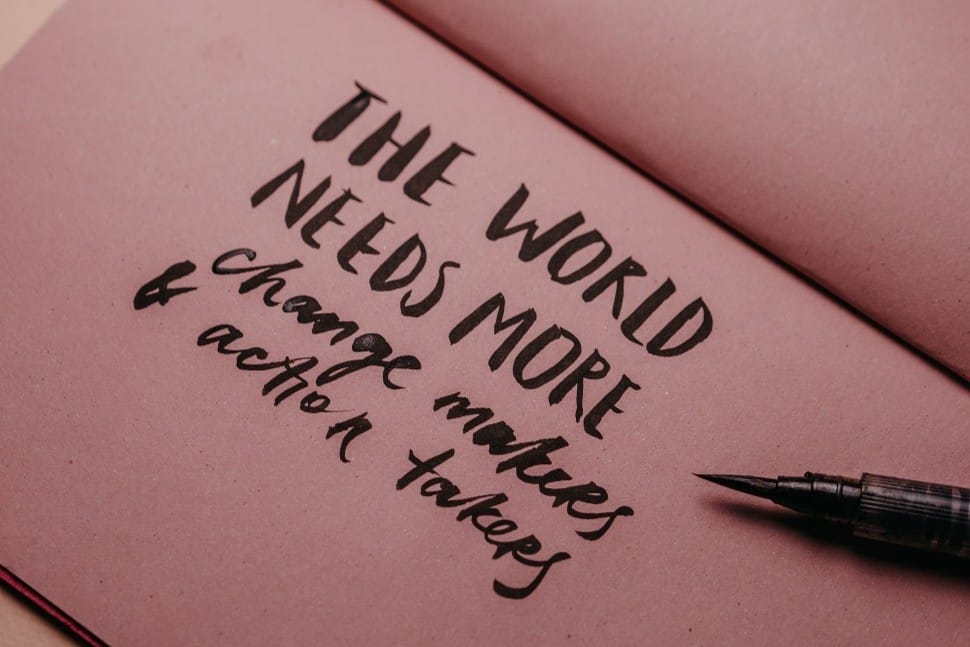
A hit and run on a wet night raises a hard question: why didn’t anyone stop? Tracey Johnson explores the psychology of bystander apathy, the social capital that holds communities together, and how we move from standing by to standing up.
Read More
Demystifying the end of life: EPOAs and the case for a community conversation
Team Co.Design4All
Most Australians enter hospital or aged care without an end of life plan in place, leaving families and healthcare workers to navigate difficult decisions under pressure. This article unpacks why these conversations are so often avoided, what an enduring power of attorney really involves, and how a co-design approach can help communities plan for end of life with more confidence and less conflict.
Read More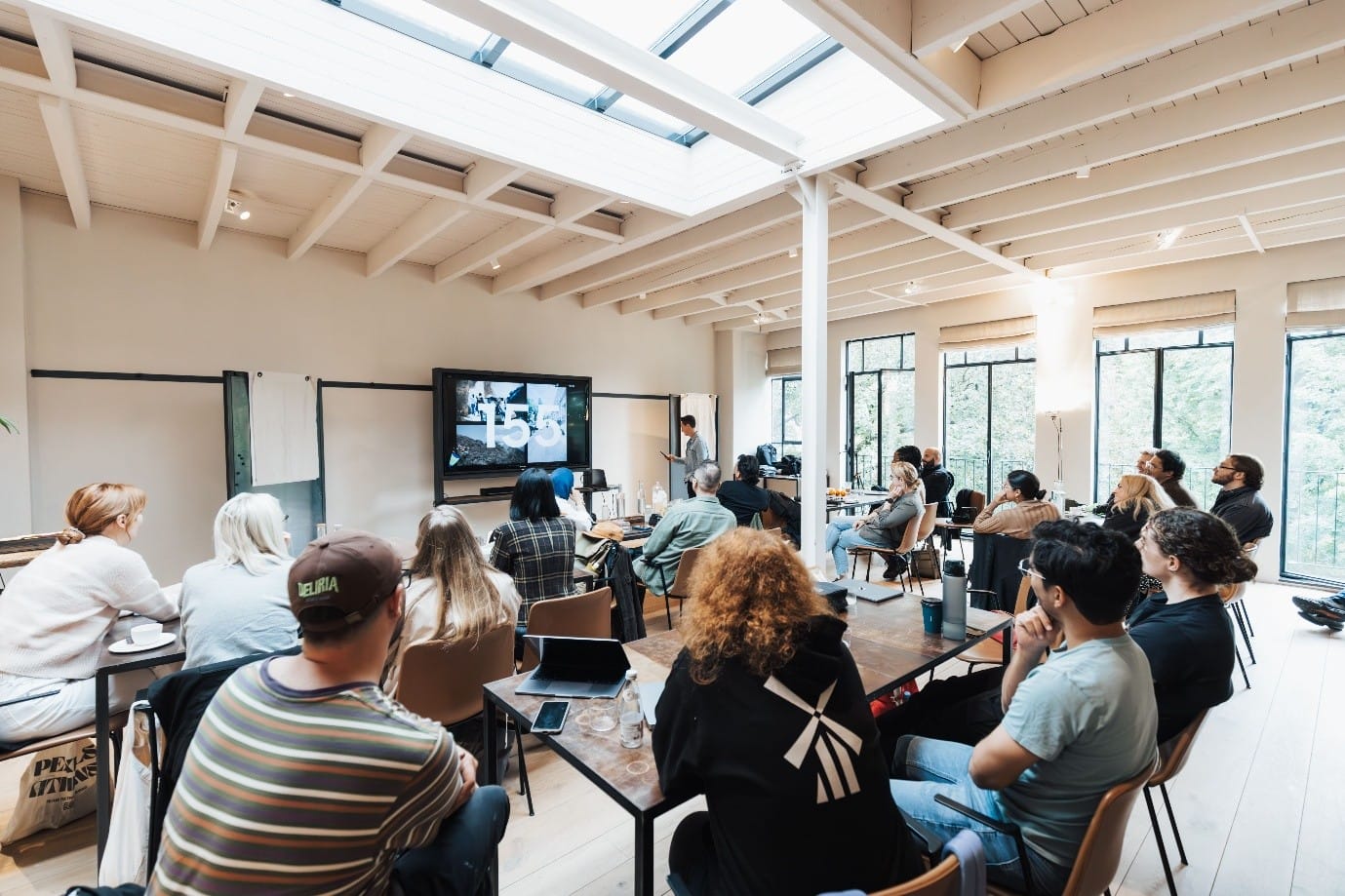
When the nudge runs out of road: what co-design could offer Australia’s stalling immunisation rates
Team Co.Design4All
Childhood vaccination coverage has dropped for five consecutive years, and the usual policy levers, financial nudges and SMS reminders, have stopped moving the needle. We look at why codesign, not more persuasion, may be the next step for reaching vaccine-hesitant and vaccine-refusing parents to aid in immunisation.
Read More
Fix the Ride, Not the Rider: Why Systems Change Starts at the Periphery
Team Co.Design4All
The most useful insights about a broken system almost always come from the people it serves least well. Learn why fixing the ride, not the rider, is where real systems change begins, and how co-design puts the right voices at the centre of that process.
Read More
Character or Credit? Leadership in an age of self
Team Co.Design4All
In a culture that rewards self-promotion over self-mastery, what does it actually take to lead meaningful change? Drawing on the work of David Brooks, Angela Duckworth, Jonathan Haidt and Robert Greenleaf, this article explores why character is the foundation of effective leadership in healthcare and community change work, and why humility may be the most important capability that change leaders still need to develop.
Read More
Kombi, not Chaos: Why your team isn’t doing what you asked — and what to do about it
Team Co.Design4All
Why aren’t your team following the procedure you agreed on? The COM-B model — Capability, Opportunity, Motivation — offers a practical diagnostic framework for healthcare and organisational leaders. Pair it with co-design and you have both the diagnosis and the method to fix it.
Read More
Three Levels, One Target: How Power, Prestige and Possessions Shape Resistance to Change
Team Co.Design4All
The Accoutrements of Success Humans have some predictable shortcomings. Every religious and philosophical tradition has commented on how we seek after power, prestige and possessions. These three things make up the accoutrements of success. Those who have power over people, and therefore over resources, are esteemed. Those whose role, history or knowledge help them perform …
Read More
Ask, Don’t Tell: The quiet discipline of listening to learn
Team Co.Design4All
In change work, the people who listen hardest tend to get the furthest. Drawing on Schein’s humble inquiry and Scharmer’s four levels of listening, this article explores why asking — not telling — is the foundational discipline of genuine co-design, and how to practise it in healthcare and community settings.
Read More