Co-Design vs Performative Consultation
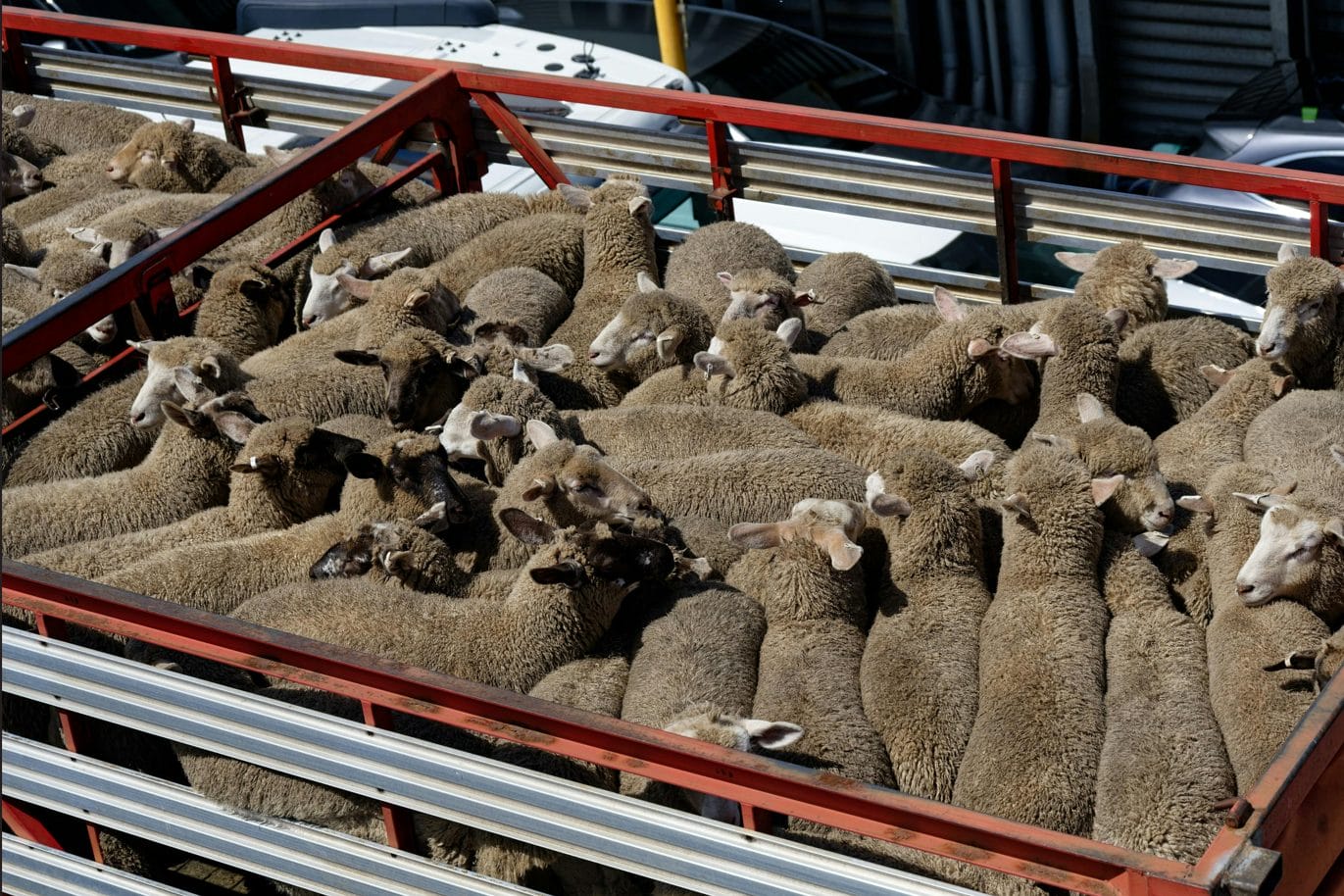
Co-design has become the darling of public policy. Governments and organisations everywhere trumpet their commitment to collaborative decision-making, promising to work alongside affected communities to shape policies that impact them. But what happens when co-design is deployed not as a genuine collaborative process, but as window dressing for decisions already made? The recent rejection of Australia’s live sheep export phaseout co-design process offers a masterclass in how not to do it.
Australia’s Live Export Phaseout: A Decision Already Made
The story is straightforward but damning. The Australian government decided to ban live sheep exports by sea and allocated $45.5 million to help affected businesses transition. Then, at what industry representative Mark Harvey-Sutton called “the 11th hour before an election,” the Department of Agriculture invited the Australian Livestock Exporters Council to participate in co-designing how that transition assistance would be distributed. ALEC’s response was blunt: they refused to participate, calling it a waste of time and resources that would merely legitimise a harmful policy they continue to oppose.
Why Industry Rejected the Co-Design Process
This isn’t just sour grapes from an unhappy stakeholder. It represents a fundamental failure to understand what genuine co-design actually requires. Real co-design means involving affected parties early in the process, when decisions are still fluid and input can meaningfully shape outcomes. It means listening to concerns, weighing evidence, and being willing to change course based on what you learn. What it doesn’t mean is making a unilateral decision, then inviting those harmed by it to help manage the consequences.

Consultation Theatre and Tokenistic Engagement
The government’s approach here exemplifies what we might call “consultation theatre.” By the time exporters were invited to participate, the core decision had been made, legislated, and was irreversible. The only question on the table was how to divide up compensation that industry representatives considered inadequate. As Harvey-Sutton pointedly noted, being asked to co-design the distribution of funds they view as meagre “loose change” is not collaboration; it’s being asked to participate in the destruction of their own industry.
“Calling something co-design doesn’t make it so — without power-sharing and early engagement, it’s just holding meetings.”
The Long-Term Cost of Performative Co-Design
The damage this does extends far beyond this single policy dispute. Every time governments abuse the language of co-design while practicing top-down decision-making, they erode trust and make future genuine collaboration harder. People become cynical about participatory processes, assuming that consultation is merely performative. Why invest time and energy in a process when experience suggests your input won’t matter?
What Genuine Co-Design Should Look Like
So, what would genuine co-design have looked like in this case? It would have meant engaging with industry stakeholders before deciding whether to ban live exports, not after. It would have involved examining their concerns about animal welfare, exploring alternative regulatory approaches, and weighing economic impacts against other considerations. It would have meant being open to outcomes other than a total ban or at the very least more staging of that ban in ways which met government priorities around animal safety whilst addressing industry and regional development. Most importantly, it would have demonstrated that the government valued industry expertise and was willing to be influenced by it. It must go well beyond communicating an outcome and then setting up a pre-designed consultation process.
Owning Policy Decisions Without Pretending to Collaborate
None of this means the government was necessarily wrong to ban live sheep exports. There may have been compelling reasons for the decision that outweighed industry concerns. But if that’s the case, the honest approach is to own the decision, explain the rationale, and implement it transparently. Don’t dress up a fait accompli in the language of collaboration.
Why Genuine Co-Design Still Matters
For those of us who believe in the power of genuine co-design, moments like these are frustrating. Co-design, when done well, can produce better policies, build social license, and create solutions that work in practice rather than just on paper. But it requires humility, genuine openness to being influenced, and a willingness to engage before your mind is made up.
Co-Design Requires More Than Workshops
The takeaway isn’t that co-design is bad. It’s that calling something co-design doesn’t make it so. Real collaboration requires more than invitations to set piece workshops. It requires power-sharing, early engagement, and authentic willingness to change course based on what you learn. Without these elements, you’re not doing co-design; you’re just holding meetings.

From Principles to Practice: A Framework for Genuine Co-Design
We can do better. We must do better. This is precisely why we have developed Co.Design4All – to provide clear guidance and structure for organisations embarking on co-design processes. Having a robust framework helps ensure that co-design efforts include the essential elements of genuine collaboration: early stakeholder engagement, transparent decision-making processes, clear parameters about what can and cannot be influenced, and meaningful opportunities for participants to shape outcomes.
A good framework doesn’t guarantee success, but it does make it harder to accidentally (or deliberately) substitute genuine co-design with performative consultation. It provides a roadmap for navigating the messy, complex work of authentic collaboration and helps organisations hold themselves accountable to the principles they claim to uphold.
Every time we abuse the language of collaboration while practising something else entirely, we make it harder for genuine co-design to flourish where it’s most needed. With the right tools and frameworks, we can ensure that co-design means what it says – and delivers the transformative outcomes it promises.
Don’t just call it co-design – do it properly.
Discover how Co.Design4All can help your organisation design collaborative processes that are genuine, credible, and effective.
Get In Touch – Discover Co.Design4All