In November 2023, the McGrath Foundation received a significant mandate from the Federal Government to establish a supportive cancer care nursing program for all Australians experiencing any type of cancer. This initiative, part of the Australian Cancer Nursing Navigation Program (ACNNP), aims to create equity in cancer care across the nation.
At Ethicol, we were honored to be engaged by the McGrath Foundation to lead a comprehensive co-design process with stakeholders across the cancer care sector. Our mission? To develop a model of care that would truly serve the needs of people affected by cancer, their carers, and the clinicians who support them. Our approach involved over 960 points of contact with people interested in cancer care. That scale of undertaking was necessary to ensure the right voices were heard.
Why This Project Matters
Cancer affects hundreds of thousands of Australians each year. Yet access to supportive nursing care has historically been inconsistent across different cancers and geographies. This project represents a transformative shift—ensuring that whether someone is diagnosed with breast cancer in Sydney or a rare cancer in regional Australia, they have access to the same high-quality supportive care.
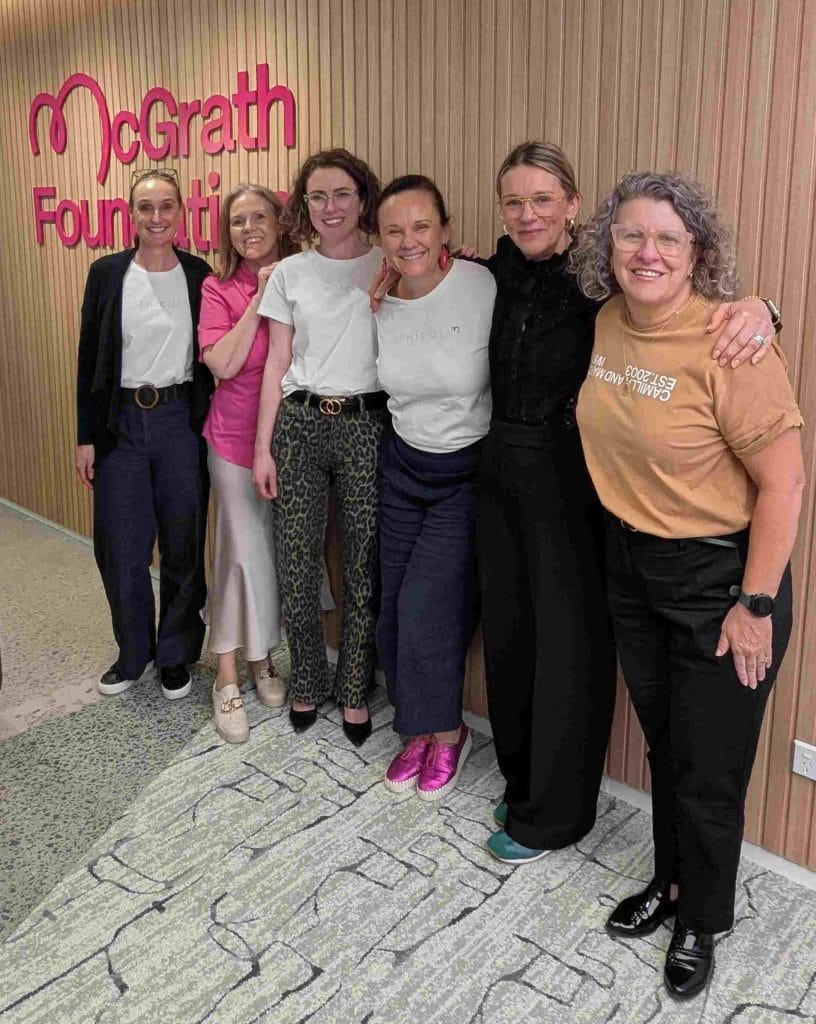
Our Co-Design Approach
We structured the project around the Codesign4All Framework, each component designed to authentically incorporate diverse voices and evidence-based practices:
1. Discovery Phase: Understanding the Current Landscape
We began by listening. Our team conducted extensive consultations with people living with cancer, clinicians working across the cancer care continuum, and Non-Government Organisations associated with the sector. This phase revealed both the challenges facing people experiencing cancer and the supportive interventions that made meaningful differences to their journey.
2. Design Phase: Building the Model
Armed with insights from Discovery, we tested our findings and identified the essential components needed to deliver optimal patient experiences in nurse-led supportive cancer care. Through focused consultations with patients, carers, clinicians, and priority populations, we mapped critical elements at each stage of the cancer journey—from diagnosis through treatment, recovery, and beyond.
3. Decide Phase: Validating What Matters Most
In this rigorous phase, we employed a Delphi process—a structured methodology that gathers expert opinions through multiple rounds of feedback to reach consensus on the most important model components. Following this, we facilitated workshops to test the feasibility of proposed elements and ensure they were practical for real-world implementation.
4. Debrief Phase: Learning and Improving
Co-design doesn’t end with delivery. We developed a comprehensive implementation plan with the McGrath Foundation team and conducted reflective surveys with all stakeholders to capture their experiences and insights. This feedback loop helps us continually refine our approach and improve future projects.
The Power of Inclusive Engagement
This project achieved remarkable breadth and depth of stakeholder involvement:
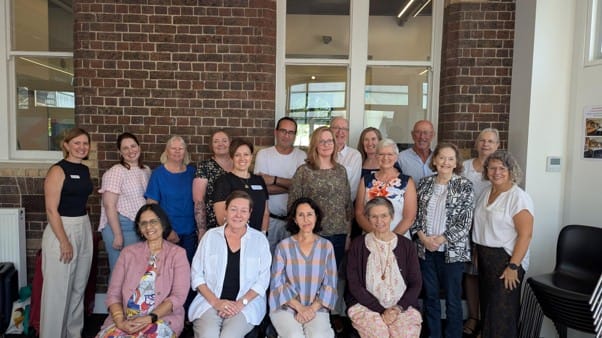
People with Lived Experience of Cancer
Clinical Expertise
Advisory Groups
The Impact: A Truly Person-Centered Model
The project generated over 960 points of contact across all stakeholders—an extraordinary level of engagement that enriched every aspect of the final model. The advisory groups enthusiastically endorsed the result, affirming that it authentically reflected their input and priorities.
What made this project particularly meaningful was the openness with which people shared their cancer experiences. These stories didn’t just inform the model—they transformed it, grounding every component in real human needs and experiences.
Reflections on the Co-Design Process
This project exemplifies what’s possible when organisations commit to genuine co-design. By centering the voices of those most affected by the system—people with cancer, their carers, and frontline clinicians—we created something far more powerful than any top-down approach could achieve. Ensuring opinions were gained from Alice Springs to Melbourne meant the results reflect the real needs of all Australians.
The McGrath Foundation’s willingness to invest time and resources in this comprehensive process demonstrates their deep commitment to equity and excellence in cancer care. For our team at Ethicol, it has been one of the most humbling and rewarding projects we’ve undertaken.
As this model moves into implementation across Australia, it will touch countless lives—ensuring that supportive cancer nursing care is not a privilege for some, but a right for all. With two in five Australian’s likely to be diagnosed with cancer by the age of 85, getting care right is a worthy priority.
My Learning
This work has been the most impactful and rewarding so far in my career. I learnt so much over this time about myself about my team and what it really takes to listen intently and give up power to those that matter most. And I am not one to be into power games or putting power over people, but this process still required me to let go of control. That was challenging but also really rewarding at the same time to see community representatives leading consultation and hearing what matters in stories from them.
I am a better person after this project. I am grateful to all the participants who by being part of this have helped me to grow.