What Does Success Look Like?
A Year of Recognition
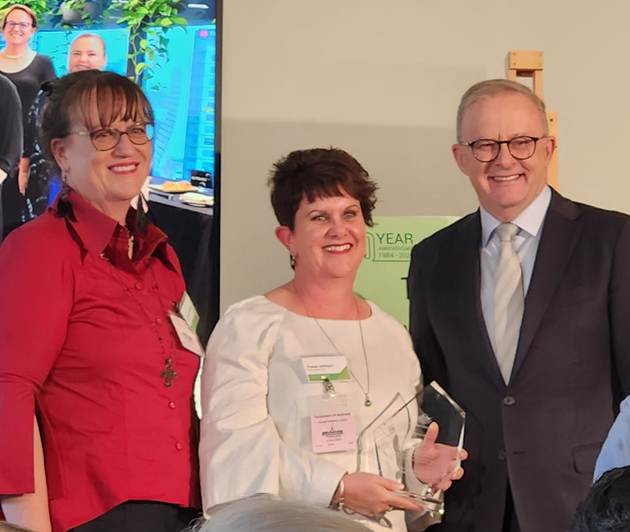
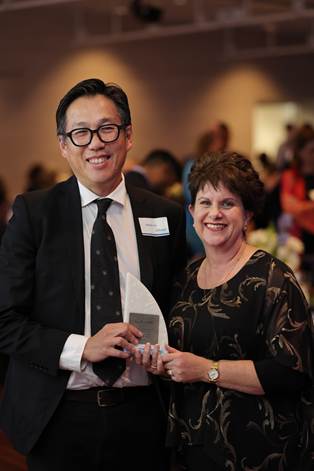
Over the last 12 months it has been a privilege for our team at Inala Primary Care to be recognised in numerous ways. First, we won an inaugural Stronger Medicare Award, which recognised our work delivering innovative care to disadvantaged patients. A night in Canberra at Parliament House, a photo with the Prime Minister and time to mix with many Ministers, politicians and other primary care providers doing wonderful work.
What all the award winners noted during informal discussions was that we all did work which was not funded by Medicare, Australia’s universal health insurance system. Many, ourselves included, funded the unfunded via taking lower wages, cross-subsidising work from more profitable areas of service delivery or just donating the time and energy required.
Doing the Right Thing, Not the Easy Thing
It was sobering, just how much innovation and great service delivery is done because it is the right thing to do, not because it is incentivised through funding. This is a common strain amongst all pioneers across the health and social care continuum. That means having a stomach for risk and on many occasions being prepared to speak to those with power about things they have overlooked. If we want change, we first need to become the change we want to see in the world; a sentiment put most eloquently by Mahatma Ghandi when he too was trying to bring about change. So are you prepared to do things unpaid and against common practice to achieve the change you want to see?
The Power of Teamwork and Co-Design
Most importantly, are you prepared to do those things with others? Whilst our Clinical Director, Dr Sue Williams and I are the most visible members of our team, the reality is that our work is constantly informed, inspired and improved by the thoughts of others. Team-work makes the dream work as they say…
Few things worth doing are done solo. Never is that more true than in making changes in communities or just to release a really outstanding product. Our Stronger Medicare Award would never have materialised had our team not invested so much energy over so many years designing new protocols and services. It recognises years of collaborating inside and outside our practice with patients, providers and players across the health and social care continuum.
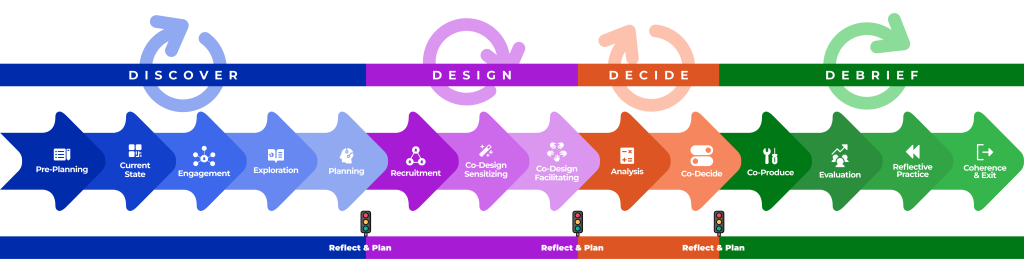
That sort of collaboration involves much more than conversation. It needs a framework – and we created a co-design framework, “Co.Design4All”:
Finding Motivation and Mission
Doing complex work, time and again is possible when you have a big vision. In July, I was awarded The President’s Award by the Australian Primary Care Nurses Association. In my acceptance speech I noted that my career has been focussed on my personal mission: to enable everyone to be their best each and every day.
In healthcare, you can make extraordinary inroads into lives if you can cure disease and patients can get back to what they were doing before. But enabling others to be their best each day also embodies the difference you can make training and mentoring others, creating a systematised work environment, recognising the strengths in others and freeing them up to build on those as opportunity permits and an organisation grows.
What Drives Us: Achievement, Affiliation and Power
In his Human Motivation Theory, David McClelland described the three needs which drive behaviour: power, affiliation and achievement. I am strongly driven by making a difference in the lives of others because of my desire to enable others to be their best each day. That is a neat combination of needing to achieve in ways which improve things for those around me.
In any movement for social change, harnessing the drive of people to build better relationships and communities with a capacity to cut through when discord is evident is a necessary skill. That is when being clear about your values and purpose is so important. Simon Sinek has generated a wealth of material to help you discern your “why”. Knowing what drives you will help you retain focus when times get tough. It will also ensure that you are not just doing things right but doing the right things—the hallmark of a leader.
Balancing Idealism and Pragmatism
Likewise, if all you want to do is gain recognition and collect awards, your focus on achievement might alienate you from those you need to work with to achieve results. There is nothing worse than someone who claims credit for the work of others!
It might also cause frustration for those who want to fix the underlying problem rather than adopt another band-aid solution just to be seen to achieve something. This is where balancing idealism and pragmatism becomes important for progress.
Idealists want to go deep and achieve perfection. Perfection is rarely possible in social change. Therefore, bringing people along with you to craft a common vision is so critical. Affiliation is necessary for achievement… but those achievements might resemble a clapped-out car with the wheels about to come off, rather than a polished sports car zooming to the finish. Knowing how to hold these competing desires in tension as a group comes together is another skill.
Rethinking Power
In a culture obsessed with power, it can be easy to try and enforce harmony or commitment to a vision by using power. Until recently, I was uncomfortable with power. I then realised that was because my very image of power was based on hierarchy and dominance. Our traditional conception of power is “power over”. Warlords, politicians and corporate executives have used power over others for millennia to get what they want.
The new power, largely led by Asian and feminine ideals coming to the fore, means “power to”. This type of power works with, through and for others to achieve a goal. You will need power to make things happen. The important difference with “new” power is that the objectives have been crafted with others. Your role as the leader has been gifted by others based on your strengths not your control. In holding others responsible for their work, you are monitoring the minority who are off path to ensure the majority effort finishes the journey you all agreed to undertake.
Looking to the Future of General Practice
My most recent recognition was in conjunction with a team committed to reforming primary care in Australia. We gained an Award from the Avant Foundation to enable the hosting of a round table to tease out what it will take to get general practices to embrace the changes required to use teams to deliver more comprehensive and patient-centred care.
This is a politically fraught space, with general practitioners wanting to uphold their private business model and professional role as the primary patient carer. Yet, the data is clear—we cannot deliver healthcare the way we have. We simply do not have enough doctors or funds to deal with the tsunami of ageing and chronic disease.
Led by The George Institute for Global Health, our round table will ask attendees to look at what they have done, need to do more of today and must embrace tomorrow.
Creating Space for Honest Conversations
Adjusting your focus between the past, present and future is a way of ensuring that your stakeholders will understand what is to be achieved and the role they can play in it. For those who have been burnt and disenfranchised, letting go of how things were and what hurts is necessary before they can entertain changes now and into the future. Only then can you generate what you want to have and do. Politically fraught change is rife with conversations about what is to be avoided rather than positive statements outlining the desired future.
The round table will be a great way to close out 12 months of recognition: by generating the blueprint for success in the general practice of the future! What will make it a delight is that Natasha Doherty, my co-creator in Co.Design4All will be the facilitator of that forum, a gathering I could not have imagined taking place with our practice as a lead organiser even three years ago. It just goes to show that it is the people you surround yourselves with who make such a difference to where you end up!
Without great people mentoring me during my career or sharing their ideas in books and talks, we would never have been able to create the wealth of tips and techniques now being shared via the Co.Design4All framework. In the spirit of helping others achieve success, we have made available a raft of resources for free.
So go on, be the change you want to see in the world by being the best you can be with a little bit of help from us!